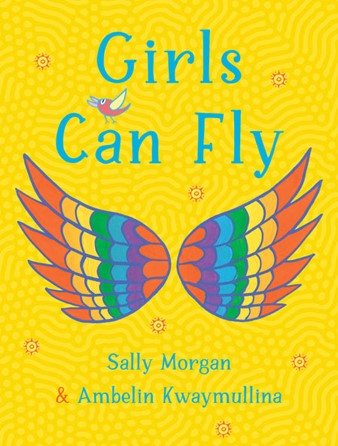
Girls Can Fly
Girls Can Fly
Couldn't load pickup availability
Short, affirming messages encourage young people to believe in themselves, pursue their goals and challenge limiting expectations.
Creator: Ambelin Kwaymullina and Sally Morgan
📘 For teachers: classroom and curriculum guide
Suggested level: Years 3-8
Learning areas: English; Health and Physical Education; The Arts
Cross-curriculum priorities: Aboriginal and Torres Strait Islander Histories and Cultures, with connections to Culture and People through identity, aspirations, confidence and challenging limiting expectations.
🧭 Suggested Australian Curriculum V9 content descriptions:
AC9E7LE01: identify and explore ideas, points of view, characters, events and issues in literary texts drawn from historical, social or cultural contexts
AC9HP8P03: examine how gender stereotypes can influence roles, decision-making, power, coercion and control in relationships
These are suggested starting points. Teachers should confirm the selected year-level content descriptions against their local program and student needs.
Learning focus: aspiration, identity, gender expectations and concise persuasive language.
Practical lesson sequence
- Before: Introduce the learning focus and essential vocabulary. Invite prior knowledge without requiring students to disclose personal or family experiences.
- During and after: Analyse how brevity, repetition and metaphor create impact, identify a limiting stereotype, then write and design an original affirmation that challenges it.
- Evidence of learning: An original affirmation with an explanation of the language and visual choices used.
Curriculum reference: Use the suggested connections to select the most appropriate content descriptions for your year level and local program. See the Australian Curriculum Version 9.0 and the Aboriginal and Torres Strait Islander Histories and Cultures cross-curriculum priority.
Respectful teaching
Preview the text for your learners and local context. Present Aboriginal and Torres Strait Islander peoples, cultures and knowledges as living and diverse. Do not expect Aboriginal or Torres Strait Islander students to speak for others. Where local knowledge is involved, seek guidance from local rights holders and approved Community sources.
Share