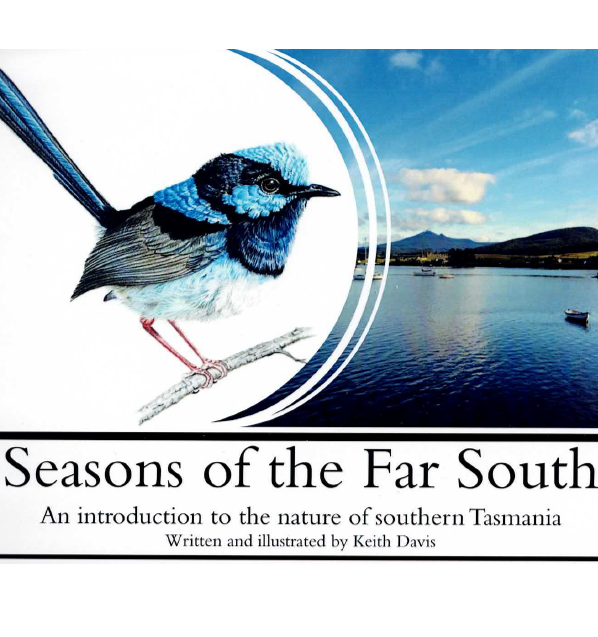
Seasons of the Far South
Seasons of the Far South
Couldn't load pickup availability
An illustrated introduction to the landscapes, seasons, plants and animals of southern Tasmania’s Far South bioregion.
Creator: Keith Davis
📘 For teachers: classroom and curriculum guide
Suggested level: Years 3-9
Learning areas: Science; Humanities and Social Sciences; The Arts
Cross-curriculum priorities: Aboriginal and Torres Strait Islander Histories and Cultures, with connections to Country/Place through southern Tasmanian seasons, ecosystems, observation and place-based learning. Sustainability, through seasonal systems, biodiversity, local ecosystems and informed action for healthy Country.
🧭 Suggested Australian Curriculum V9 content descriptions:
AC9S7U03: model changes in the positions of Earth, sun and moon and explain effects including seasons and tides
AC9HG7K07: the cultural connectedness of people to places, including First Nations Australians' cultural connectedness to Country/Place
These are suggested starting points. Teachers should confirm the selected year-level content descriptions against their local program and student needs.
Learning focus: seasonal change, biodiversity, habitat, observation and place.
Practical lesson sequence
- Before: Introduce the learning focus and essential vocabulary. Invite prior knowledge without requiring students to disclose personal or family experiences.
- During and after: Choose one local species or seasonal event from the book, compare it with current local observations or reliable records, and create a field-journal page showing relationships among season, habitat and species.
- Evidence of learning: An evidence-labelled field-journal page or seasonal systems diagram.
Curriculum reference: Use the suggested connections to select the most appropriate content descriptions for your year level and local program. See the Australian Curriculum Version 9.0 and the Aboriginal and Torres Strait Islander Histories and Cultures cross-curriculum priority.
Respectful teaching
Preview the text for your learners and local context. Present Aboriginal and Torres Strait Islander peoples, cultures and knowledges as living and diverse. Do not expect Aboriginal or Torres Strait Islander students to speak for others. Where local knowledge is involved, seek guidance from local rights holders and approved Community sources.
Share