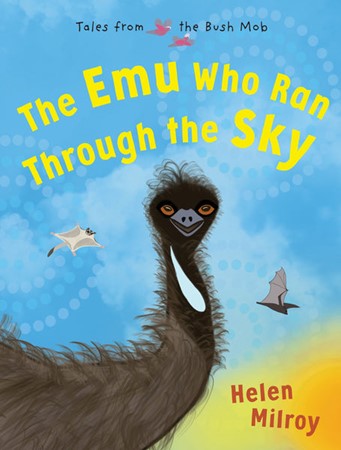
The Emu Who Ran Through the Sky
The Emu Who Ran Through the Sky
Couldn't load pickup availability
Lofty the emu wants to succeed in the big race, and the Bush Mob combines experimentation, invention and encouragement to help him find a solution.
Creator: Helen Milroy
📘 For teachers: classroom and curriculum guide
Suggested level: Years 2-6
Learning areas: English; Science; Design and Technologies
Cross-curriculum priorities: Aboriginal and Torres Strait Islander Histories and Cultures, with connections to Country/Place, Culture and People through Bush Mob storytelling, cooperation, invention and perseverance.
🧭 Suggested Australian Curriculum V9 content descriptions:
AC9E4LE01: recognise similar storylines, ideas and relationships in different contexts in literary texts by First Nations Australian and other authors
AC9S5U01: examine how structural features and behaviours enable living things to survive in specific habitats
These are suggested starting points. Teachers should confirm the selected year-level content descriptions against their local program and student needs.
Learning focus: perseverance, design thinking, testing ideas and teamwork.
Practical lesson sequence
- Before: Introduce the learning focus and essential vocabulary. Invite prior knowledge without requiring students to disclose personal or family experiences.
- During and after: Define Lofty’s problem, evaluate each attempted solution, then design, label and improve a device or training plan using a simple test-and-refine cycle.
- Evidence of learning: A design sketch and reflection identifying what changed after testing.
Curriculum reference: Use the suggested connections to select the most appropriate content descriptions for your year level and local program. See the Australian Curriculum Version 9.0 and the Aboriginal and Torres Strait Islander Histories and Cultures cross-curriculum priority.
Respectful teaching
Preview the text for your learners and local context. Present Aboriginal and Torres Strait Islander peoples, cultures and knowledges as living and diverse. Do not expect Aboriginal or Torres Strait Islander students to speak for others. Where local knowledge is involved, seek guidance from local rights holders and approved Community sources.
Share